The Rise of Manufactured Cultured Stone A Comprehensive Guide


Introduction
In the realm of construction and design, stone has long been celebrated for its timeless beauty, durability, and versatility. From ancient civilizations to modern architectural marvels, the use of natural stone has been a hallmark of quality and sophistication. However, the high cost, limited availability, and environmental concerns associated with natural stone have paved the way for the emergence of manufactured cultured stone as a popular alternative in the building industry. This article explores the various aspects of manufactured cultured stone, from its history and production process to its applications and benefits in contemporary construction projects.
History of Manufactured Cultured Stone
Manufactured cultured stone, also known as artificial or faux stone, has a history that dates back to the early 20th century. The concept of creating stone-like materials from a mixture of cement, aggregates, and pigments was initially developed as a cost-effective way to replicate the look of natural stone. In the 1960s, the advent of lightweight aggregates and improved manufacturing techniques revolutionized the production of manufactured cultured stone, making it more realistic in appearance and easier to install.
The popularity of manufactured cultured stone soared in the 1970s and 1980s as builders and homeowners sought affordable alternatives to natural stone for various construction projects. With advancements in technology and design, manufacturers were able to create a wide range of shapes, colors, and textures that closely mimicked the aesthetic appeal of natural stone. Today, manufactured cultured stone has become a staple in the construction industry, offering a cost-effective and sustainable option for enhancing the visual appeal of both residential and commercial buildings.
Production Process of Manufactured Cultured Stone
The production process of manufactured cultured stone involves a series of steps that combine natural aggregates, cement, pigments, and additives to create a durable and aesthetically pleasing building material. The following is an overview of the key stages involved in the manufacturing of cultured stone:
1. Aggregate Selection: The first step in the production process is the selection of natural aggregates such as limestone, marble, or quartz. These aggregates are crushed into various sizes to create the desired texture and appearance of the final product.
2. Mixing: The aggregates are mixed with cement, water, and pigments to form a slurry-like mixture. Additives such as lightweight aggregates or polymer resins may also be included to enhance the strength and workability of the material.
3. Molding: The mixed ingredients are poured into molds that are designed to replicate the shape and texture of natural stone. The molds can vary in size and design to create a diverse range of stone profiles, from rugged ledgestone to smooth fieldstone.
4. Curing: Once the molds are filled, the cultured stone is left to cure and harden for a specified period of time. Curing methods may include air drying, steam curing, or the use of specialized curing chambers to ensure optimal strength and durability.
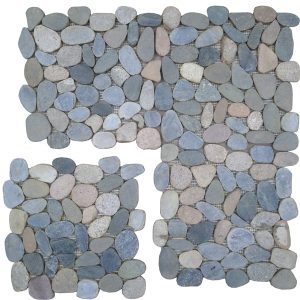
5. Finishing: After curing, the manufactured cultured stone is removed from the molds and undergoes a finishing process to enhance its appearance. This may involve sanding, painting, or staining to achieve the desired color and texture that closely resembles natural stone.
Applications of Manufactured Cultured Stone
Manufactured cultured stone offers a versatile and cost-effective solution for a wide range of interior and exterior applications in residential, commercial, and landscaping projects. The following are some of the common uses of cultured stone in modern construction:
1. Exterior Cladding: One of the primary applications of manufactured cultured stone is as an exterior cladding material for residential homes, commercial buildings, and architectural facades. Cultured stone can be used to enhance the curb appeal of a property, create a rustic or contemporary aesthetic, and provide durable protection against the elements.
2. Interior Accent Walls: Cultured stone can also be used to create stunning accent walls in interior spaces such as living rooms, kitchens, and bathrooms. Whether used as Going Here surround, backsplash, or feature wall, manufactured cultured stone adds texture, warmth, and visual interest to any room.
3. Landscape Design: In landscaping projects, cultured stone is often used to create retaining walls, garden borders, and decorative elements such as columns and pillars. The versatility of manufactured cultured stone allows for endless design possibilities, from traditional cobblestone pathways to modern sculptural features.
4. Fireplace Surrounds: The natural look and heat-resistant properties of cultured stone make it an ideal choice for fireplace surrounds and hearths. Whether creating a cozy traditional fireplace or a sleek modern design, manufactured cultured stone adds charm and character to any living space.
Benefits of Manufactured Cultured Stone
Manufactured cultured stone offers a host of benefits that make it a popular choice among builders, designers, and homeowners. The following are some of the key advantages of using cultured stone in construction projects:
1. Cost-Effective: Manufactured cultured stone is significantly more affordable than natural stone, making it an attractive option for budget-conscious projects. The lower cost of cultured stone allows for greater design flexibility and the ability to achieve the look of natural stone without breaking the bank.
2. Lightweight: Unlike natural stone, which can be heavy and difficult to transport and install, manufactured cultured stone is lightweight and easy to handle. This makes it a practical choice for DIY enthusiasts and professionals alike, reducing labor costs and installation time.
3. Versatility: Cultured stone comes in a wide range of colors, shapes, and textures, allowing for endless design possibilities in both interior and exterior applications. Whether creating a traditional, rustic, or contemporary look, manufactured cultured stone can be customized to suit any aesthetic preference.
4. Durability: Despite its lightweight nature, manufactured cultured stone is durable and long-lasting, capable of withstanding harsh weather conditions, UV exposure, and wear and tear. Cultured stone is also resistant to mold, mildew, and insect damage, ensuring a low-maintenance and sustainable building material.
5. Sustainable: In an era of increasing environmental awareness, manufactured cultured stone offers a sustainable alternative to natural stone by reducing quarrying and transportation impacts. Cultured stone is typically made from locally sourced materials and can be recycled or repurposed at the end of its lifespan, minimizing waste and carbon footprint.
Conclusion
Manufactured cultured stone has emerged as a versatile and cost-effective building material that offers the aesthetic appeal of natural stone without the associated drawbacks. With its wide range of colors, textures, and applications, cultured stone has become a popular choice for architects, designers, and homeowners looking to enhance the beauty and durability of their projects. As technology and manufacturing techniques continue to advance, the future of manufactured cultured stone looks bright, promising even greater design possibilities and sustainability in the construction industry.